
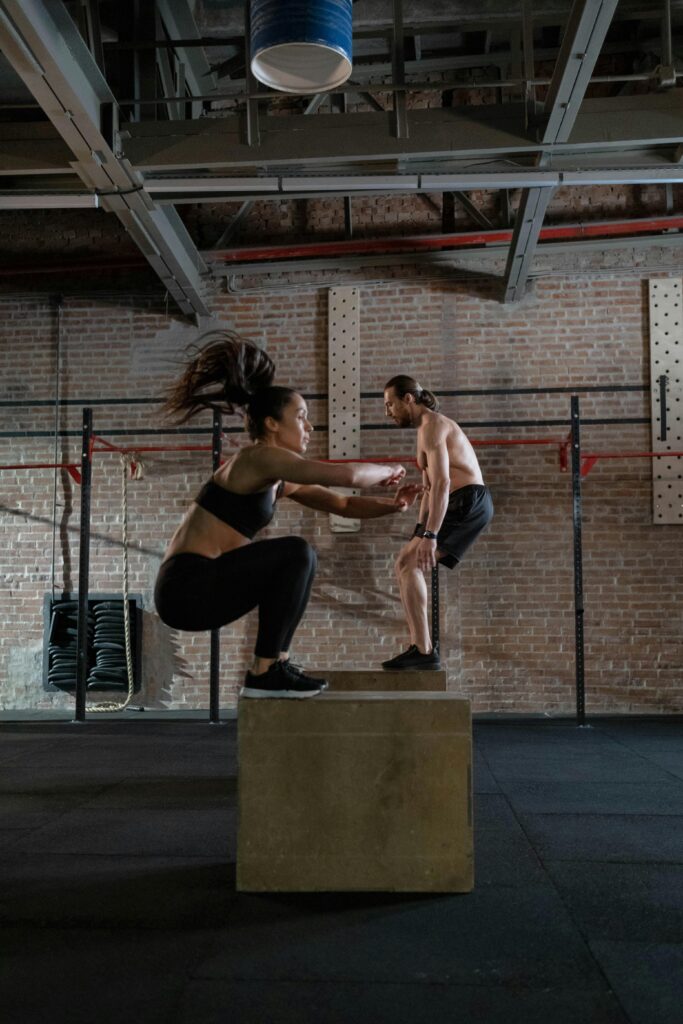
"To help you get the most out of your plyometrics for runners, I'll be recommending some essential gear to help with injury prevention and build strong joints. Please note that as an Amazon Associate, I may earn commissions from qualifying purchases."
Running is one of the most accessible and rewarding forms of exercise in the world. It improves cardiovascular health, reduces stress, helps maintain a healthy body weight, and builds mental toughness. But there is a catch: repetitive impact can slowly wear down the body if runners do not build strength, resilience, and movement efficiency alongside their mileage.
A surprising number of runners spend years chasing better shoes, better stretches, or better recovery gadgets while ignoring one of the most effective injury-prevention tools available: plyometric training.
Plyometrics are explosive exercises that train the body to absorb and produce force quickly. While many people associate plyometrics with elite athletes dunking basketballs or football players leaping over hurdles, the truth is that properly programmed plyometrics can dramatically improve the health, durability, and performance of everyday runners.
For runners, plyometric training is not just about jumping higher. It is about teaching the body how to handle impact safely, efficiently transfer energy through the joints, improve tendon stiffness, strengthen muscles and connective tissue, and reduce unnecessary stress during every stride.
The human body is essentially a spring system while running. Every foot strike creates force that travels through the ankles, knees, hips, and spine. If the body cannot absorb and redirect those forces efficiently, tissues begin to break down over time. This is where injuries such as runner’s knee, Achilles tendinitis, shin splints, plantar fasciitis, hip pain, and stress fractures begin to show up.
Plyometric training helps fix this problem by improving how the body responds to force.
The breakdown
When performed correctly, plyometrics can:
- Improve running economy
- Strengthen tendons and ligaments
- Increase balance and coordination
- Improve joint stability
- Reduce injury risk
- Enhance power and stride efficiency
- Improve reaction time and athletic movement
Help runners maintain long-term joint health
This is one of the reasons elite runners, sprinters, trail athletes, and even aging endurance athletes increasingly incorporate plyometric work into their training.
The good news is that runners do not need extreme box jumps or intense “Instagram workouts” to gain these benefits. In fact, some of the most effective plyometric exercises are simple hopping, skipping, bounding, and landing drills that teach the body to move efficiently.
This article will break down exactly how plyometrics benefit runners, why they are so effective for joint protection, how they improve long-term health, and which exercises runners can use safely.
What Are Plyometrics?
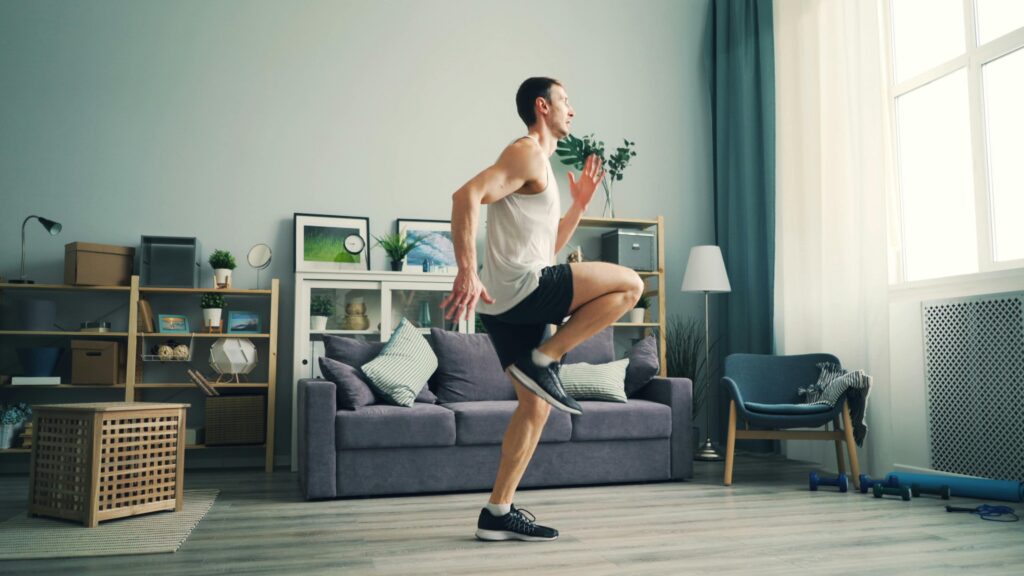
Plyometrics are exercises that involve rapid stretching and contracting of muscles. These movements train the body to generate force quickly while improving coordination and elastic energy transfer.
The foundation of plyometric training is something called the stretch-shortening cycle.
The stretch-shortening cycle happens when a muscle quickly stretches before immediately contracting. Think about bending your knees before jumping upward. That quick downward movement stores elastic energy in the muscles and tendons, allowing the body to release more force.
Running itself is a repetitive plyometric activity.
Every step while running involves:
- Landing and absorbing force
- Storing elastic energy
- Releasing force into the next stride
Efficient runners are essentially excellent energy recyclers.
Instead of muscling through each step, they use tendons, muscles, and connective tissues like springs.
Plyometric training improves this process.
There are different categories of plyometric exercises:
Low-Impact polymetrics
These are beginner-friendly drills designed to improve coordination and elasticity with lower joint stress.
Examples include:
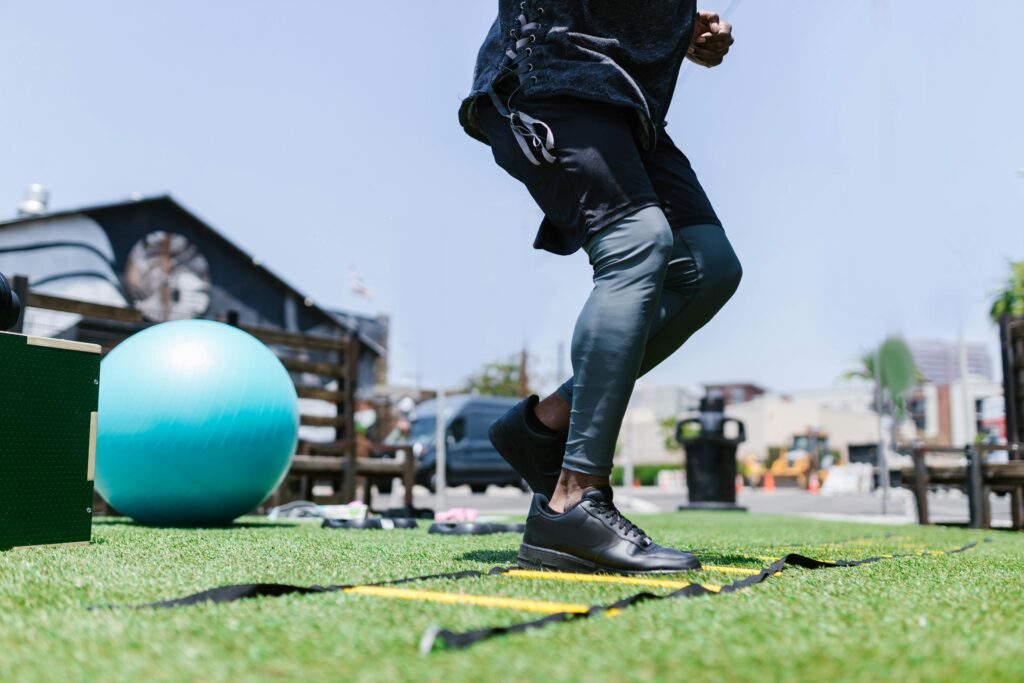
- Jump rope
- Ankle hops
- Skipping
- Marching drills
- Line hops
Unleash your power with the UNDER ARMOUR CHARGED COMMIT TR 5: the perfect balance of stability and flexibility for your plyometrics.”
Moderate Plyometrics
These increase force production and movement complexity.
Examples include:
- Squat jumps
- Bounds
- Lateral hops
- Split jumps
- Broad jumps
“Find your bounce: the ASICS GT-1000 14 Runner for perfect moderate plyometrics.”
Advanced Plyometrics
These involve high force output and require excellent mechanics.
Examples include:
- Depth jumps
- Single-leg box jumps
- Reactive hurdle hops
- Sprint bounds
“Master advanced plyometrics with the Under Armour TriBase Reign 6: engineered for stability and durability when you need it most.”
For most runners, low and moderate plyometric work provides nearly all the benefits needed for injury prevention and performance enhancement.
The goal is not to become a superhero action figure launching off rooftops. The goal is to become more resilient and efficient.
How Plyometrics Improve Joint Health
One of the biggest misconceptions about plyometrics is that they are “bad for your joints.”
Poorly programmed plyometrics can absolutely increase injury risk.
But intelligently programmed plyometrics often improve joint resilience rather than damage it.
This happens because the body adapts to stress when it is applied gradually and correctly.
Tendon Strength and Elasticity
Tendons connect muscles to bones and play a huge role in running efficiency.
Strong tendons:
- Absorb force better
- Return energy more efficiently
- Reduce strain on muscles
- Improve movement economy
Plyometric exercises strengthen tendons by exposing them to controlled loading.
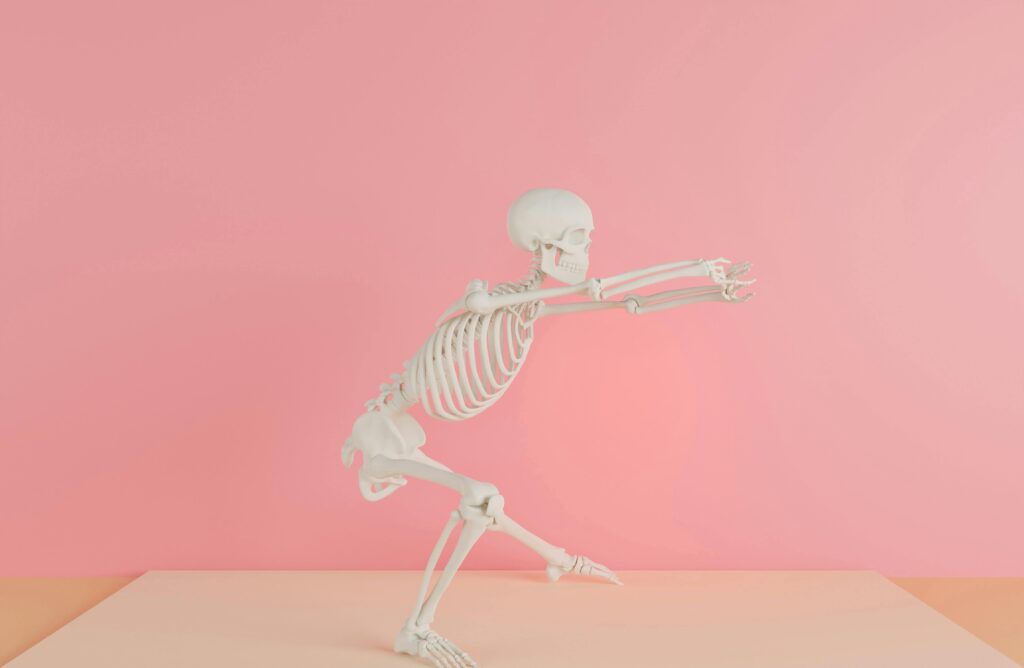
The Achilles tendon, patellar tendon, and connective tissues around the foot and ankle become more capable of handling repeated impacts.
This is important because weak or undertrained tendons often contribute to chronic running injuries.
Bone Density Improvements
Impact training stimulates bone remodeling.
When performed safely, jumping and hopping drills can improve bone density and reduce the risk of stress-related injuries over time.
This becomes increasingly important as runners age.
Low-impact lifestyles can gradually reduce bone strength. Controlled plyometric work helps maintain skeletal resilience.
Improved Joint Stability
Plyometrics train the stabilizing muscles around the joints.
This improves:
- Knee control
- Hip stability
- Ankle balance
- Landing mechanics
- Rotational control
A runner with poor hip stability often collapses inward during movement, creating unnecessary knee stress.
Plyometric drills improve neuromuscular control so the body stays aligned during impact.
Better Shock Absorption
Many injuries happen because runners cannot absorb force effectively.
Instead of distributing impact evenly, the body overloads specific tissues.
Plyometrics improve:
- Landing mechanics
- Force distribution
- Muscle activation timing
- Joint coordination
The result is smoother movement and less chronic wear on the joints.
Improved Cartilage Health Through Movement
Cartilage relies on movement and loading for nourishment.
Healthy movement patterns help circulate nutrients through joints.
While excessive impact without recovery can damage cartilage, intelligent loading improves tissue quality and resilience.
This is one reason movement-based training is so important for long-term athletic health.If you’re jumping, bounding, and pushing your limits with plyometrics, your recovery needs to match your intensity. BUBS Naturals Collagen Protein is my go-to for keeping my joints and cartilage resilient. It’s highly bioavailable, meaning your body actually absorbs it to rebuild connective tissue, reduce post-workout soreness, and protect your knees and ankles from the impact. Plus, it dissolves completely unflavored into your morning coffee or post-workout shake.
How Plyometrics Improve Running Performance
Injury prevention alone would make plyometrics worthwhile, but runners also experience major performance improvements.
Improved Running Economy
Running economy refers to how efficiently a runner uses energy.
A runner with good economy uses less energy at the same pace.
Plyometrics improve economy by teaching the body to:
- Store elastic energy
- Reduce wasted motion
- Improve stiffness in the lower limbs
- Spend less time on the ground
Studies consistently show that runners who include plyometrics often improve efficiency even without increasing mileage.
That means faster running with less effort.
Increased Stride Power
Plyometrics strengthen explosive force production.
This leads to:
- More powerful push-off
- Better acceleration
- Improved hill running
- Stronger finishing kicks
- Better sprint capacity
Even distance runners benefit because running is essentially a series of controlled mini-jumps.
Better Coordination and Rhythm
Efficient runners move fluidly.
Plyometric exercises improve:
- Timing
- Balance
- Foot placement
- Muscle coordination
- Reactive ability
This helps runners move more naturally and efficiently.
Reduced Ground Contact Time
Elite runners spend very little time on the ground.
Plyometric drills train the nervous system to react quickly.
This improves responsiveness and elastic rebound.
Shorter ground contact time often means:
- Better speed
- Improved efficiency
- Less braking force
- Reduced impact stress
Improved Trail and Uneven Terrain Performance
Trail runners especially benefit from plyometrics.
Uneven terrain requires rapid force adjustments, balance, and coordination.
Plyometric training helps runners react quickly to changing surfaces.
This reduces ankle rolls and improves confidence on technical terrain.
The Nervous System Benefits of Plyometric Training
Plyometrics are not just muscular training. They are neurological training.
The nervous system controls movement timing, coordination, muscle recruitment, and reaction speed.
Plyometric drills sharpen communication between the brain and body.
Faster Muscle Recruitment
The nervous system learns to activate muscles more efficiently.
This helps runners react quickly and stabilize their joints during impact.
Better Balance and Proprioception
Proprioception is the body’s awareness of position and movement.
Good proprioception reduces injury risk.
Single-leg hops, balance drills, and reactive movements improve the body’s ability to stabilize itself.
Improved Athletic Longevity
One of the hidden benefits of plyometric training is preserving athletic movement as people age.
Many adults lose power, coordination, and reaction speed over time.
This decline increases fall risk and reduces mobility.
Explosive movement training helps preserve:
- Fast-twitch muscle fibers
- Coordination
- Joint responsiveness
- Movement confidence
This matters for long-term quality of life, not just race performance.